
Yes, many people can still buy term life insurance after 60, but most companies only offer it up to a certain age (usually 70 or 80, per the Texas Department of Insurance), and renewal premiums are based on your age at renewal. Term tends to fit a need with an end date, like a mortgage, and fits less well if you want coverage for the rest of your life.
Key facts: The Texas Department of Insurance says most companies offer term life only up to a certain age, usually 70 or 80. · When you renew a term policy, the new premium is based on your age at renewal, not your age when you first bought it. · In SSA's 2023 period life table, a 65-year-old man has an average of 18.12 more years and a 65-year-old woman 20.66, so a 10-year term bought at 65 could run out well before you do.
Let's face it: shopping for term life after 60 is like trading in a car with 150,000 miles on it. The salesperson is very friendly, right up until they check the odometer.
Good news first: the dealership is still open. Term life after 60 is a real thing that real insurers sell.
The catch is that your birthday is now the main character in every quote. Let's look under the hood.
Can You Even Buy Term Life After 60? (Yes, With an Expiration Date on the Expiration Date)
Term life covers you for a set period and pays only if you die during it. If you outlive the term, the policy simply ends with no value, per Virginia's insurance regulator.
Age is the bouncer. The Texas Department of Insurance says most companies offer term life only up to a certain age, usually 70 or 80.
Virginia's guide adds that some term policies aren't available or renewable past 65 or 70. So the window is open, but someone is clearly holding the latch.
Why the Price Climbs (Your Premium Has Been Doing Cardio)
Term premiums stay level for the length of the term. Renew it, and TDI says the new premium is based on your age at renewal, not your age when you first bought the policy.
Want to see what age does to a price list? The federal employees' group program publishes its rates. Per OPM, FEGLI Option B costs this much per month for each $1,000 of coverage:
| Age | Monthly cost per $1,000 | For $100,000 of coverage |
|---|---|---|
| 55–59 | $0.390 | $39.00 |
| 60–64 | $0.867 | $86.70 |
| 70–74 | $1.863 | $186.30 |
| 80 and over | $6.240 | $624.00 |
That's group coverage for federal workers, not an individual policy quote. But the shape is the lesson: the 80-plus rate is 16 times the 55–59 rate. Same coverage, same person, just more candles.

Virginia's regulator puts it bluntly: since premiums go up at each renewal, renewable term may become prohibitively expensive as you get older.
The Awkward Math: You'll Probably Outlive the Policy (Congratulations?)
Here's the plot twist the sales brochure buries. Per the SSA's 2023 period life table, a 65-year-old man has an average of 18.12 more years. A 65-year-old woman has 20.66.
Buy a 10-year term at 65, and it ends at 75. By our math from that same table, about 79% of men and 86% of women alive at 65 are still alive at 75.
That's the best outcome in insurance: you paid, you lived, nobody collected. It's like buying a gym membership and never using it, except this time not using it is the goal.
But if the real goal was "leave my spouse something no matter when I go," a policy that probably expires first may not do that job.
When Term After 60 Actually Makes Sense (And When It's Miscast)
Regulators sort needs into two buckets. Virginia's guide says temporary needs, like a mortgage, generally fit term insurance. Permanent needs, like funeral costs or a child who will be dependent for life, generally fit permanent insurance.
Term's legit upsides at this age:
- Lowest price for pure protection. Virginia says term generally offers the largest amount of insurance for the lowest premium.
- Renewability. TDI says renewable term lets you extend coverage for more terms regardless of your health and without a medical exam.
- Conversion. Convertible term lets you trade the policy for permanent coverage without new health questions, per TDI.
The legit downsides: age caps, renewal prices that climb with every birthday, and no cash value. The NAIC says to ask what renewal premiums will be and whether you lose the right to renew at a certain age.
The Fine Print: "Convertible" has a deadline. The Texas Department of Insurance says companies usually allow conversion only for a time, typically until you turn 65, and converting raises your premium. New York's DFS says the conversion premium is usually based on your age on the conversion date. Miss the window and "convertible" becomes a very expensive adjective.
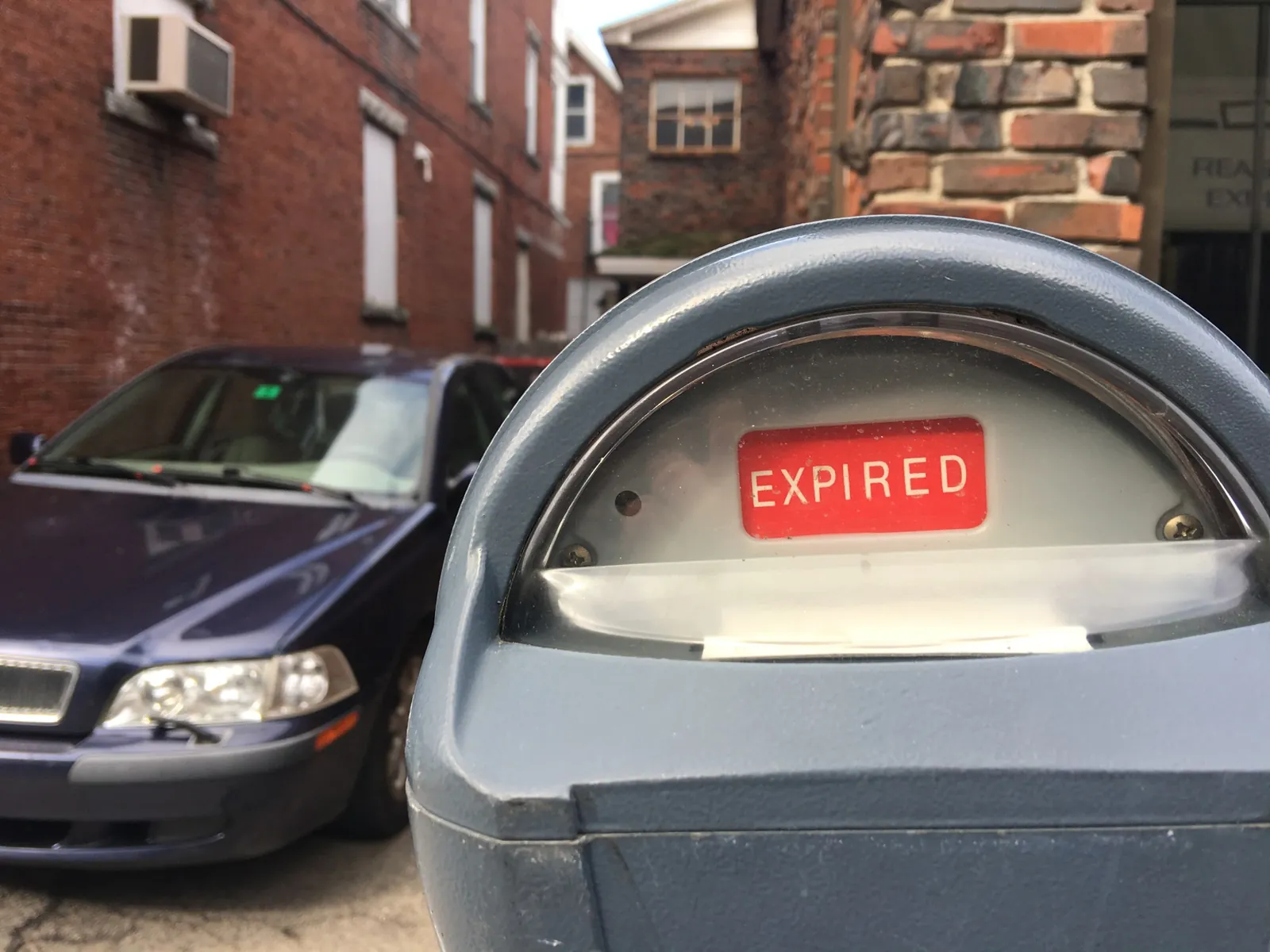
Before You Buy: Check the Reason, Not Just the Rate (Debts Don't Get Inherited Like Grandma's China)
A common pitch is "Don't leave your kids your debts." The CFPB says debts are generally paid from the estate, and family members generally aren't on the hook unless they co-signed, held a joint account, or state law makes them responsible.
Estate taxes? The IRS basic exclusion is $15,000,000 for 2026 deaths. Most families will not be writing that check.
And Social Security won't cover the gap: the lump-sum death payment is a one-time $255 for an eligible spouse or child. That's not a funeral. That's a nice flower arrangement.
If health is the obstacle, New York's DFS describes senior life (graded death benefit) plans: small whole life policies with no medical exam that generally pay only a return of premium or reduced benefit in the first two or three years. We compared those in our guaranteed vs. simplified issue guide.
The Bottom Line (Kick the Tires, Then Read the Window Sticker)
Term life after 60 exists, and for a need with an end date, it can be the cheapest way to cover it. Just know the age caps, the renewal price jumps and the conversion deadline before you sign.
For a forever need, a policy that probably expires before you do is the wrong vehicle, no matter how shiny the quote.
Your one move this week: if you already own a term policy, find the renewal and conversion sections and write down the last day you can convert.
May your odometer roll forever, your premiums stay in the slow lane, and your beneficiaries wait a very, very long time.
This is general education with a side of sarcasm, not insurance, legal, tax or financial advice. Policies, prices and state rules vary, and your actual contract outranks this article. No odometers were rolled back in the making of this disclaimer.
Sources:
- Texas Department of Insurance: Life insurance guide
- Virginia State Corporation Commission: Virginia Life Insurance Guide
- NAIC: Life Insurance consumer guide
- New York Department of Financial Services: Life Insurance Information for Consumers
- U.S. Office of Personnel Management: FEGLI Premium Overview and rates
- Social Security Administration: Actuarial Life Table (2023 period life table)
- Social Security Administration: Lump-sum death payment
- Consumer Financial Protection Bureau: Am I responsible for my spouse's debts after they die?
- IRS: What's new, Estate and gift tax
Frequently asked questions
Can I buy term life insurance at 70?
Sometimes. The Texas Department of Insurance says most companies offer term life only up to a certain age, usually 70 or 80, and Virginia's insurance regulator notes some term policies aren't available or renewable past 65 or 70. Availability and price depend on the insurer and your health.
What happens when my term policy ends after 60?
It expires with no value unless you renew or convert it. Renewal premiums are based on your age at renewal, and the right to renew may end at a certain age. Conversion to a permanent policy usually has to happen within a set window, typically until 65 according to the Texas Department of Insurance.
Is there life insurance for seniors without a medical exam?
Yes. New York's Department of Financial Services describes senior life or graded death benefit plans that offer small whole life policies without a medical exam, but they generally pay only a return of premium or a reduced benefit if death occurs in the first two or three policy years.