
A pet can't receive a life insurance payout directly. Owners usually name a trusted caregiver, or the trustee of a pet trust, as the beneficiary, and the trust pays the caregiver for the pet's care under written instructions. All 50 states and DC have pet trust laws, per the ASPCA.
Key facts: The ASPCA says all 50 states plus the District of Columbia have a pet trust law; Minnesota was the last to enact one, in 2016. · The IRS says life insurance proceeds paid to a beneficiary because of the insured's death generally aren't taxable income, though any interest is. · Under 26 U.S.C. § 72(u), an annuity held by a non-natural person generally loses its tax treatment as an annuity, with exceptions such as a trust holding it as an agent for a natural person or an immediate annuity.
Let's face it: as far as a life insurance company is concerned, your dog is about as qualified to cash a check as your toaster. Lovely companion. No bank account.
That doesn't mean your pet is out of luck if you die first. It means the money needs a human, or a trust, to pick it up.
Why "Barnaby the Golden Retriever" Can't Be Your Beneficiary (No Thumbs, No Signature)
A beneficiary has to be able to receive money. Barnaby can receive belly rubs.
So owners name someone who can: a trusted friend, a family member, or the trustee of a pet trust. The ASPCA defines a pet trust as a legally sanctioned arrangement for the care of one or more companion animals if the owner dies or becomes disabled. A trustee holds the money, and it's paid to a caregiver you choose.
Cornell's Legal Information Institute says in a statutory pet trust, the pet itself is the beneficiary and no human beneficiary is needed. The trustee holds the money and a caretaker handles the daily walks.
Pet Trusts: Now Legal Everywhere (Even Minnesota, Fashionably Late)
The ASPCA's state law chart says all 50 states plus DC have a pet trust law. Minnesota was last, in 2016.
A trust can be very specific, the ASPCA notes, down to the brand of cat food and four vet visits a year. You can name a trustee and a backup trustee, a caregiver and a backup caregiver, and a remainder beneficiary who gets whatever is left when the last pet dies.
A trust that starts while you're alive can also cover the case where you're sick or injured, not just the case where you die, the ASPCA says.
Where Life Insurance Fits (The Kibble Fund Needs a Funding Source)
A trust is a bucket. Somebody has to fill it.
One option people use is to name the pet trust's trustee as the policy beneficiary. The IRS says life insurance proceeds received because of the insured's death generally aren't taxable income, though interest on them is. How fast a claim pays and how a trust is set up vary, so the exact wiring is a job for an estate attorney in your state.
How big should the bucket be? The ASPCA's 2021 cost estimate put yearly costs at about $1,391 for a dog and $1,149 for a cat. That covers food, routine vet care, preventive medicine, pet health insurance and more, before any emergency surgery.

Hypothetical math, not a quote: a 4-year-old dog at roughly $1,400 a year for another 10 years is about $14,000 in routine costs alone. Double it if Barnaby has opinions about the vet.
Take Care of the Human Who Says "Yes" (The Real MVP)
The person who takes in your senior Labradoodle is volunteering for years of walks, vet bills and couch hair.
A trust can pay that caregiver a set amount for the pet's expenses on a schedule you write down, per the ASPCA. Some owners also name the caregiver directly as a beneficiary for a separate amount, as a thank-you rather than an expense account. Whether that makes sense depends on your family and your state's law.
The ASPCA also says the trust amount generally can't exceed what the pet reasonably needs, and some states let a court cut back an amount it finds excessive. Leaving $2 million for one cat may get trimmed.
Pets That Outlive Their Owners (Some of These Animals Are in It for the Long Haul)
Some pets aren't a 12-year commitment. Lafeber lists the African grey parrot's lifespan as 30-plus years.
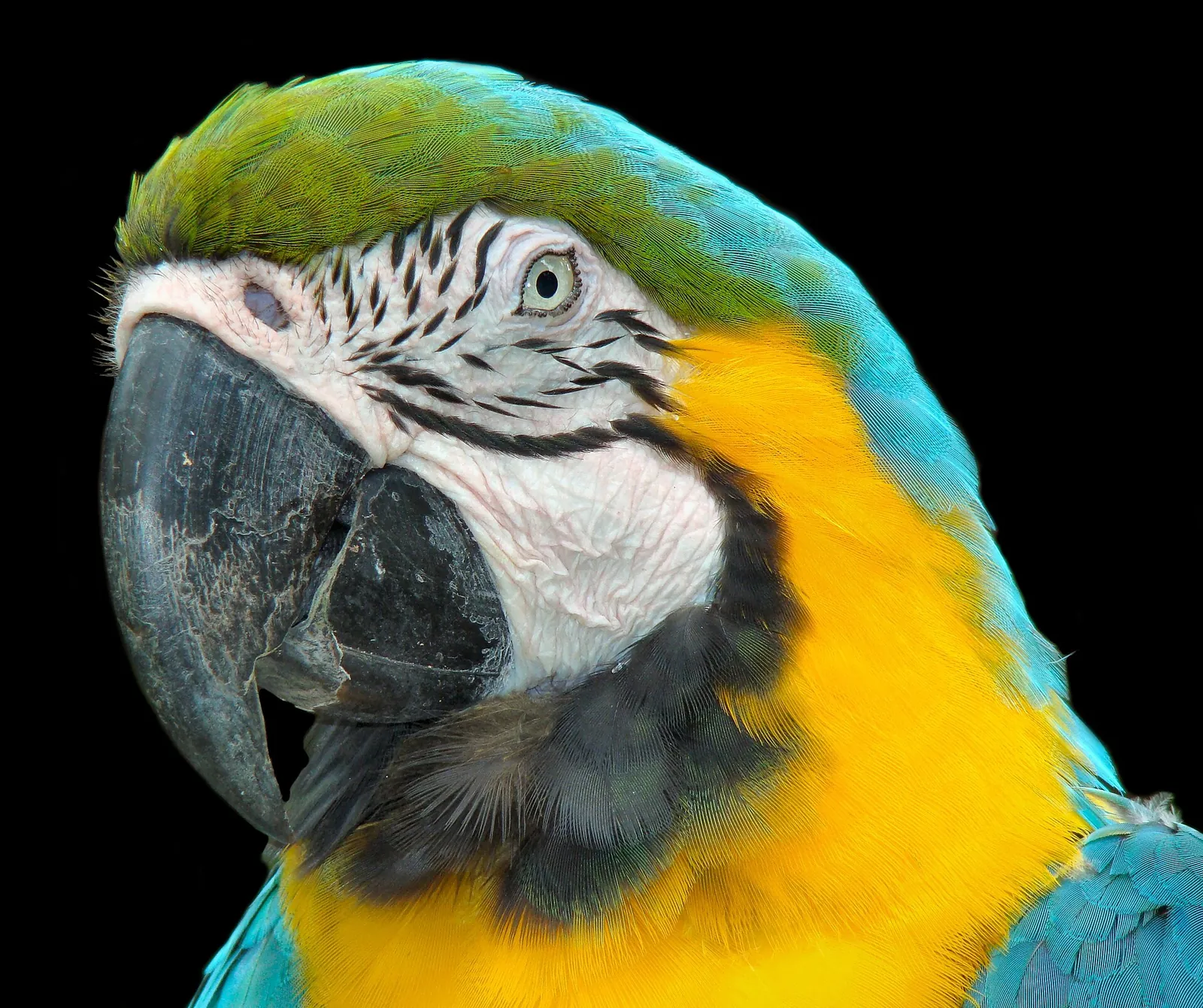
For a long-lived pet, the backup caregiver and backup trustee on the ASPCA's checklist matter a lot. Your first caregiver may not be the last.
Some universities run long-term care programs. Texas A&M's Stevenson Companion Animal Life-Care Center cares for dogs and cats whose owners have died or can't care for them, and its enrollment fee works as an endowment. Its page currently notes a moratorium on enrolling large animals, including horses, and birds. Check any program's current rules before building your plan around it.

Where Annuities Fit (Monthly Kibble Money, With Tax Strings Attached)
Investor.gov describes an annuity as a contract with an insurance company: you pay a lump sum or a series of payments, and the insurer makes periodic payments to you, starting right away or later. Cashing out a lump sum may trigger surrender charges, taxes and tax penalties.
For pet owners, the appeal is a steady payment stream instead of one big check. Two tax points matter:
- Death benefits aren't taxed like life insurance. IRS Publication 575 says a lump-sum death benefit from a variable annuity is generally taxable to the extent it exceeds the unrecovered cost of the contract.
- Trust ownership can change the tax picture. See the Fine Print below.
Whether an annuity fits at all depends on your age, other money, fees and goals. That's a conversation for a licensed professional, not a parrot.
The Fine Print: If a trust or other "non-natural person" owns an annuity, 26 U.S.C. § 72(u) says it generally isn't treated as an annuity for tax purposes, and the yearly income on the contract is taxed as ordinary income. Exceptions include a trust holding it as an agent for a natural person and an "immediate annuity" (single premium, payments starting within a year). Putting a deferred annuity inside the pet trust without checking this can cost you the tax deferral.
If You Get Sick First (The Dog Walker Still Wants Paying)
Plans aren't only for death. The IRS (Publication 525) says certain accelerated death benefits paid before death are excluded from income if the insured is terminally or chronically ill. For terminal illness, that means a doctor certifies death is expected within 24 months.
If your policy has that feature, early money could help keep the household, and the pet care, running. Riders and terms vary by policy.
The Bottom Line (Your Pet Has No Lawyer, So You Need One)
Your pet can't be a beneficiary, but a pet trust can, and every state now allows one. Life insurance can fill that trust, generally income-tax-free. An annuity can add steady payments, with different tax rules and a § 72(u) trap if a trust owns it.
Pick a caregiver and a backup. Write down the food brand. Then talk to an estate attorney, a licensed agent and a tax pro about how to fund it.
Barnaby will never thank you. He'll just keep eating, which is the point.
Have a question about your own plan? Ask us here.
This is general education with extra fur, not insurance, legal, estate or tax advice. State laws and policy terms vary, and your documents outrank this article. No toasters were named as beneficiaries in its making.
Sources:
- ASPCA: Pet Trust Primer
- ASPCA: Pet Trust Laws (state chart)
- ASPCA: Cutting Pet Care Costs (2021 annual cost estimates)
- Cornell Legal Information Institute: Pet trust (Wex)
- Cornell Legal Information Institute: 26 U.S.C. § 72
- IRS: Life insurance and disability insurance proceeds FAQ
- IRS Publication 525: Taxable and Nontaxable Income
- IRS Publication 575: Pension and Annuity Income
- Investor.gov (SEC): Annuities
- Texas A&M: Stevenson Companion Animal Life-Care Center
- Lafeber: African Grey Parrot
Frequently asked questions
Can I name my pet as the beneficiary of my life insurance?
No. A policy pays a person or an entity, not an animal. A common approach is to name the trustee of a pet trust, or a caregiver you trust, as the beneficiary. Cornell's Legal Information Institute notes that in a statutory pet trust, the pet is the trust's beneficiary and a trustee manages the money.
How much money should go to a pet trust?
The ASPCA says the amount generally can't exceed what's reasonably needed for the pet's standard of living, plus the cost of running the trust, and some states let a court reduce an amount it finds excessive. The ASPCA's 2021 estimate of yearly costs was $1,391 for a dog and $1,149 for a cat.
Is leaving money to a friend with a promise to care for my pet enough?
It may work if the friend is reliable, but Cornell's Legal Information Institute says courts generally hold these "honorary" arrangements unenforceable. A pet trust is legally enforceable, per the ASPCA.
Are annuity death benefits taxed like life insurance?
No. IRS Publication 575 says a lump-sum death benefit from a variable annuity is generally taxable to the extent it exceeds the unrecovered cost of the contract, while life insurance death proceeds are generally income-tax-free.