
HSA money is tax-free when it pays qualified medical expenses: the costs of diagnosing, treating or preventing disease for you, your spouse and your dependents that insurance didn't cover. That includes dental and eye care, glasses, hearing aids, prescriptions, over-the-counter medicine and menstrual products. Things that are only good for general health, like gym dues, vitamins or cosmetic procedures, generally don't count.
Key facts: Over-the-counter medicine and menstrual care products can be paid from an HSA without a prescription (IRS nutrition and wellness FAQ, Q13). · A non-qualified withdrawal is taxable income plus an additional 20% tax, unless you're disabled, 65 or older, or it's paid after death (IRS Publication 969). · Since September 23, 2026, IRS guidance says a fitness or sleep tracker qualifies only if you buy and use it primarily for a specific disease, not general wellness.
Let's face it: your HSA debit card is a VIP pass to a club with the strictest bouncer in America, and that bouncer works for the IRS.
Get in line with a real medical expense and the money walks out tax-free. Show up with a massage chair and a story about "stress," and you'll find out how fast a tax break turns into a tax bill. Here's who's on the list.
The Guest List Rule (One Question, Asked by a Very Literal Bouncer)
Every HSA purchase gets checked against the same standard. IRS Publication 969 says qualified medical expenses are amounts paid for "medical care" as the tax code defines it, for you, your spouse and your dependents, as long as insurance didn't already pay.
And "medical care" has a strict definition. The IRS nutrition and wellness FAQ spells it out: the costs of diagnosing, curing, mitigating, treating or preventing disease. Expenses that are "merely beneficial to general health" don't count.
That's the whole game. Is it fighting a specific problem? Come on in. Is it just a nice thing for your body? The rope stays up.
Who Gets Waved Right In (Plot Twist: Your Dentist Is a Regular)
The good news is the guest list is longer than most people think.
- Checkups. The IRS FAQ says dental exams, eye exams and physicals all qualify, because each one checks whether a disease is there.
- Your whole mouth, almost. Publication 502 lists cleanings, sealants, fluoride, X-rays, fillings, braces, extractions and dentures.
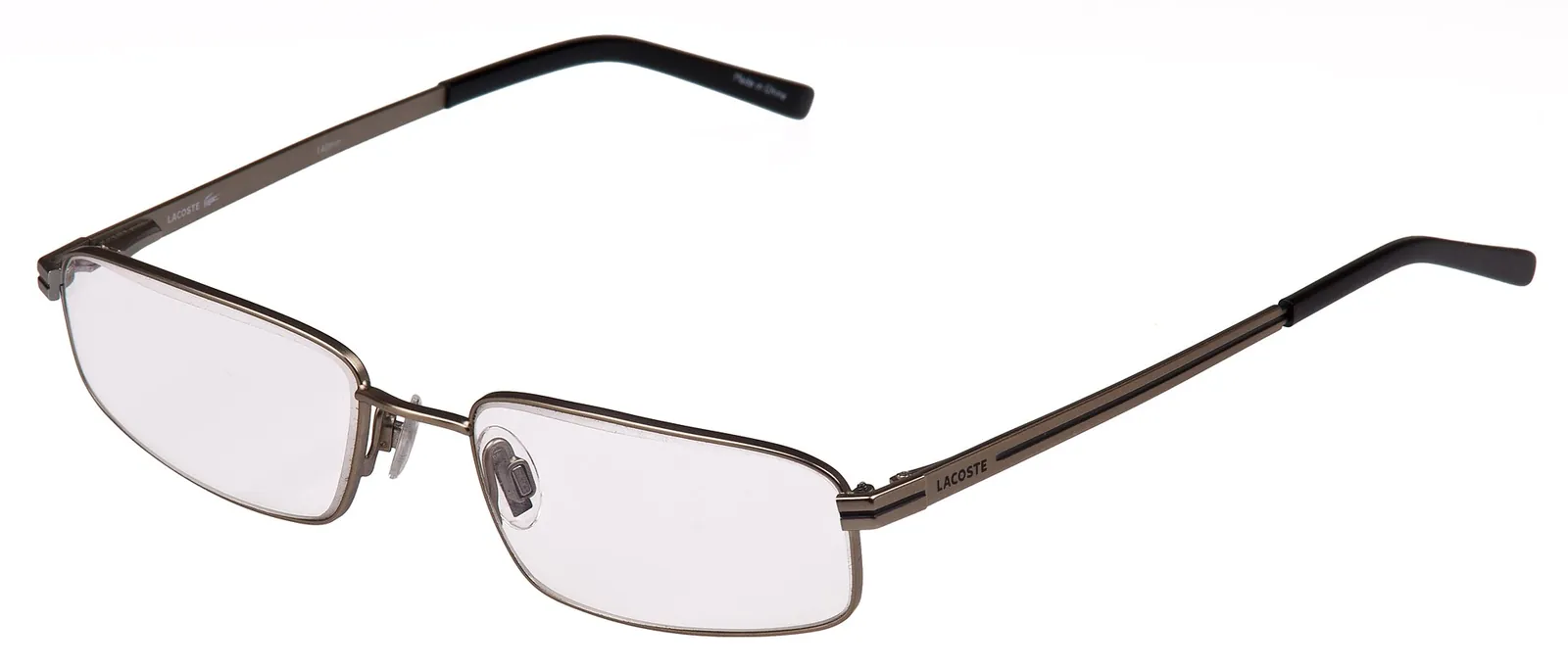
- Things you look through. Eyeglasses and contact lenses needed for medical reasons qualify, and so do saline solution and enzyme cleaner (Pub. 502).
- Things you hear through. Hearing aids count, plus their batteries, repairs and maintenance (Pub. 502).
- The less obvious regulars. Pub. 502 also lists acupuncture, chiropractor fees, and breast pumps and supplies that help with lactation.
The Pharmacy Aisle (Where the Rules Got Friendlier)
Here's a split that trips people up. Pub. 502 says that, except for insulin, you can't deduct a drug that isn't prescribed. That rule is about your Schedule A deduction.
Your HSA plays by a looser rule. The IRS FAQ (Q13) says over-the-counter medicine and menstrual care products can be paid or reimbursed by an HSA. Pub. 969 confirms menstrual care products are treated as medical care. Same pain reliever, two different tax answers. Classic Uncle Sam.
Therapy gets in too, with a condition. The FAQ says therapy to treat a diagnosed mental illness qualifies, and marital counseling doesn't. Programs to treat substance use disorders and to quit smoking are on the list as well.
The "Sorry, Not Tonight" Pile (Your Smile Is Gorgeous; Your Receipt Isn't)
Now for the people standing outside in the cold.
- Teeth whitening. Pub. 502 says flatly that you can't include it. Sparkle on your own dime.
- Cosmetic surgery. Face lifts, hair transplants, hair removal and liposuction are out. The exception is surgery to fix a deformity from a congenital condition, an accident or injury, or a disfiguring disease (Pub. 502).
- Toothbrush and toothpaste. Pub. 502 calls them ordinary personal items. Yes, even the fancy electric one.
- Vitamins and supplements. Out, unless a medical practitioner recommends them to treat a specific condition a physician diagnosed (FAQ, Q14).

The Gray Zone (Gym, Food and That Smartwatch on Your Wrist)
This is where the bouncer starts asking follow-up questions.
The gym. The FAQ (Q10) says a membership counts only if it's bought for the sole purpose of treating a specific diagnosed disease, like obesity or hypertension, or for something like prescribed physical therapy for an injury. Swimming or dance lessons for general health don't count, even if your doctor suggested them (Q11).
Food. Special food passes only a three-part test: it doesn't meet normal nutritional needs, it treats an illness, and a physician backs up the need. Even then, only the cost above regular food counts (Q12). So no, kale doesn't qualify just because it's virtuous.
Wearables. This one is fresh. On September 23, 2026, the IRS added Q15: a band, watch, ring or sensor with general wellness, fitness or sleep features doesn't qualify just because it tracks your heart rate. It counts only if you buy and use it mainly to diagnose, treat or prevent a specific disease. "I'd like to be healthier" isn't enough, and the same test applies to its apps and subscriptions.

And beware anyone selling a shortcut. In IR-2024-65, the IRS warned that companies offering "doctor's notes" based only on self-reported health information can't turn food, wellness or exercise costs into medical expenses. That's not a VIP pass. That's a fake ID.
Premiums and New 2026 Guests (The Bouncer Has a Short Exceptions List)
Pub. 969 says you generally can't use HSA money for insurance premiums. The exceptions are long-term care insurance (within age-based limits), COBRA coverage, health coverage while you're getting unemployment compensation, and Medicare and other health coverage if you're 65 or older. Medigap premiums, though, stay outside.
There's one new name on the 2026 list. Per IR-2025-119, starting January 1, 2026, people in certain direct primary care arrangements can still contribute to an HSA and can pay the periodic fees with HSA money tax-free.
The Fine Print: Your HSA can't time-travel. Pub. 969 says expenses you had before you set up the HSA aren't qualified medical expenses, and state law decides when the account counts as established. A root canal in March doesn't qualify if you opened the account in June. Source: IRS Publication 969.
What Happens If You Sneak In (Spoiler: The IRS Checks the Footage)
Pub. 969 says a withdrawal that doesn't go to qualified medical expenses counts as taxable income, and you'll generally owe an additional 20% tax on it too. That extra 20% doesn't apply after you become disabled, reach 65 or die. At 65 the withdrawal is still taxed as income; you just skip the extra 20%.
Pub. 969 also says to keep records showing each withdrawal paid only for qualified medical expenses, that no one else already paid them, and that you didn't also deduct them. Don't mail the receipts with your return. Just keep them, because "trust me" isn't a filing status. And no double-dipping: you can't take an itemized deduction for the same expense your HSA paid tax-free.
For how much you can put in the account in the first place, see our 2026 HSA contribution limits guide, and for the cousin with a use-it-or-lose-it attitude, our HSA vs FSA comparison.
The Bottom Line (Bring Your Diagnosis, Not Your Vibes)
If it diagnoses, treats or prevents a specific medical problem for you, your spouse or your dependents, the rope probably lifts. If it just makes you feel nice, like whitening strips, a gym habit or a sleep-score ring, it probably doesn't. When in doubt, the IRS FAQ and Publication 502 are the actual guest list.
Your one move: before your next HSA swipe on anything fuzzier than a prescription, look the item up in Publication 502 or the IRS wellness FAQ, and save the receipt in a folder labeled "HSA" while you're at it.
Now go forth and spend your tax-free dollars like a VIP. Just leave the massage chair in the store, where it can continue being sat in by strangers at the mall for free.
This is general education with a velvet rope around it, not tax, legal, insurance or financial advice, and we don't recommend any HSA provider, plan or product. Your plan rules, your tax pro and the actual tax code outrank a blog post. No bouncers were bribed in the making of this article.
Sources:
- IRS Publication 969, Health Savings Accounts and Other Tax-Favored Health Plans
- IRS Publication 502, Medical and Dental Expenses
- IRS: Frequently asked questions about medical expenses related to nutrition, wellness and general health
- IRS IR-2024-65: Beware of companies misrepresenting nutrition, wellness and general health expenses as medical care
- IRS IR-2025-119: Guidance on new HSA tax benefits under the One, Big, Beautiful Bill
Frequently asked questions
Can I use my HSA for dental and vision?
Yes. IRS guidance treats dental and eye exams as medical expenses, and Publication 502 includes cleanings, fillings, braces, dentures, and eyeglasses or contact lenses needed for medical reasons. Teeth whitening is excluded.
Can I buy over-the-counter medicine with an HSA?
Yes. The IRS says over-the-counter drugs and menstrual care products can be paid or reimbursed by an HSA, even though non-prescribed drugs other than insulin aren't deductible on Schedule A.
Can I use my HSA for a gym membership?
Usually not. The IRS says a gym membership qualifies only if it's bought for the sole purpose of treating a specific diagnosed disease or affecting a body function, such as prescribed physical therapy for an injury. General fitness doesn't count.
Can I pay health insurance premiums from an HSA?
Generally no. Publication 969 lists the exceptions: long-term care insurance (within limits), COBRA continuation coverage, coverage while you get unemployment compensation, and Medicare and other coverage if you're 65 or older, but not Medigap premiums.