
Let's face it: leaving a Medicare Advantage plan is like leaving a long relationship, and Medigap is the ex who checks your medical history before agreeing to coffee. You read your Annual Notice of Change, didn't love it, and now you're eyeing the door. The door is open. There's just a bouncer on the other side.
The short answer: during Medicare Open Enrollment (October 15 to December 7), you can drop a Medicare Advantage plan and go back to Original Medicare, effective January 1. The catch is Medigap. Outside a few protected windows, a Medigap insurer can usually check your health and charge you more or say no.
What you can change by Dec. 7 (the calendar does not care about your Thanksgiving plans)
Per Medicare.gov's Open Enrollment page, you can join, drop, or switch Medicare Advantage plans, switch between Medicare Advantage and Original Medicare, or change your drug plan.
Changes take effect January 1, and the plan must get your request by December 7. "I mailed it on the 8th" is a cautionary tale, not a strategy.
Going back to Original Medicare (plot twist: this part is actually easy)
Switching from Medicare Advantage to Original Medicare is a listed Open Enrollment option. No essay, no audition, no rose ceremony.
Same page, next paragraph: if you switch, you may need to join a separate drug plan, and you may want Medigap. Then comes the sentence that ruins the mood. "There are limits on when you can add it."
Medigap: the part with teeth (and a very long memory)
Medigap is extra insurance from a private company that helps pay your share of Original Medicare costs, per Medicare.gov. Think of it as the friend who splits the check.
Federal law gives you one six-month Medigap Open Enrollment Period. It starts the first month you have Part B and you're 65 or older. During it, an insurer can't refuse to sell you a policy or use medical underwriting to turn you down.
It's one-time only. It doesn't come back every fall like a holiday movie sequel.
Outside that window, Medicare.gov says:
You may pay more. (Your blood pressure reading is now a pricing input.)
You may get fewer policy options. (Reduced menu, same restaurant.)
The insurer can deny you if you don't meet its underwriting rules. (Swiped left, actuarially.)One more fun fact from Medicare.gov's Medigap tool: it's illegal for anyone to sell you a Medigap policy while you have Medicare Advantage. And Medigap can't start until your Medicare Advantage coverage ends. No overlapping relationships, apparently.

Guaranteed issue rights (your hall pass, terms and conditions apply)
Some situations give you a "guaranteed issue right." When you have one, the insurer must sell you a Medigap policy, must cover your pre-existing conditions, and can't charge you more for past or present health problems, according to Medicare.gov.
Common Medicare Advantage triggers on that list:
Your plan is leaving Medicare. (It ghosted you first.)
Your plan stops giving care in your area, or you move out of its service area. (Long distance never works.)
Your plan's network changed significantly. (All your doctors moved out at once.)
Your plan broke the rules or misled you. (Dealbreaker, officially.)
Disliking your new copays is not on the list.
Most of these rights cover a set list of Medigap plans, and you generally apply from 60 days before your coverage ends to 63 days after.
The trial right (Medicare's 12-month return policy)
If you joined Medicare Advantage (or PACE) when you were first eligible for Medicare and want out within the first year, you can buy any Medigap policy sold in your state, per Medicare.gov.
If you dropped a Medigap policy to try Medicare Advantage for the first time and you've been in the plan less than a year, you can get your old policy back if the same company still sells it. If it doesn't, you get a set list of other plans. It's the rare breakup where the ex is legally required to pick up the phone.
The Special Enrollment Period page confirms that window lasts 12 months after you first join. Month 13 turns back into a pumpkin.
Some states play nicer (Delaware, for example, read the room)
Medicare.gov says your state may give you extra rights on top of the federal ones.
Delaware's Senate Bill 71 bulletin says people switching from Medicare Advantage to Original Medicare during Open Enrollment or the January-to-March Medicare Advantage Open Enrollment Period can buy any Medigap policy available there, and carriers can't deny them. Carriers may still ask medical questions and price for it, within limits. Accepted, yes. Discounted, not necessarily.
Treat Delaware as an example, not a map of your state.
Don't forget Part D (the sequel nobody asked for)
If your Medicare Advantage plan included drug coverage, leaving it means you may need a separate drug plan, per Medicare.gov.
Skipping it can cost you. Per Medicare.gov's penalty page, going 63 days or more without creditable drug coverage can trigger a penalty of 1% of a national base premium for each month, added for as long as you have Medicare drug coverage. Uncle Sam keeps receipts.
Your pre-switch checklist (print it, laminate it, stick it on the fridge)
Find out if you have a guaranteed issue or trial right. (The Medigap tool walks you through it.)
Call your State Insurance Department about extra state rights. (Hold music beats regret.)
Shop Medigap before you drop Medicare Advantage. (Get the new lease before ending the old one.)
Line up a Part D plan. (See penalty, above.)
Missed Dec. 7? The Medicare Advantage Open Enrollment Period runs January 1 to March 31 for people already in a Medicare Advantage plan, and it lets you return to Original Medicare and join a drug plan.
Get free counseling from your local SHIP, which Medicare.gov says isn't connected to any insurance company, or call 1-800-MEDICARE (1-800-633-4227). (Unbiased help, a rare Medicare species.)
The Bottom Line (no fine print, we checked)
Switching back to Original Medicare is easy. Getting Medigap afterward depends on your timing, your rights, your state, and sometimes your health history.
Check before you leap. Medigap isn't required to take you back, and it has never once felt bad about that.
Now go forth and enroll wisely. December 7 is coming, and unlike Medigap, it doesn't do medical underwriting. It just shows up, like your in-laws, whether you're ready or not.
This article is general education with jokes sprinkled on top. It isn't personal insurance, legal, tax, or financial advice, and it doesn't recommend any plan or company. For your situation, call 1-800-MEDICARE or your SHIP. They take calls. We take naps.
Sources:
Medicare.gov: Medigap Open Enrollment and guaranteed issue rights
Delaware Department of Insurance: Bulletin on Senate Bill 71 (Jan. 12, 2026)
SHIP (State Health Insurance Assistance Program): shiphelp.org
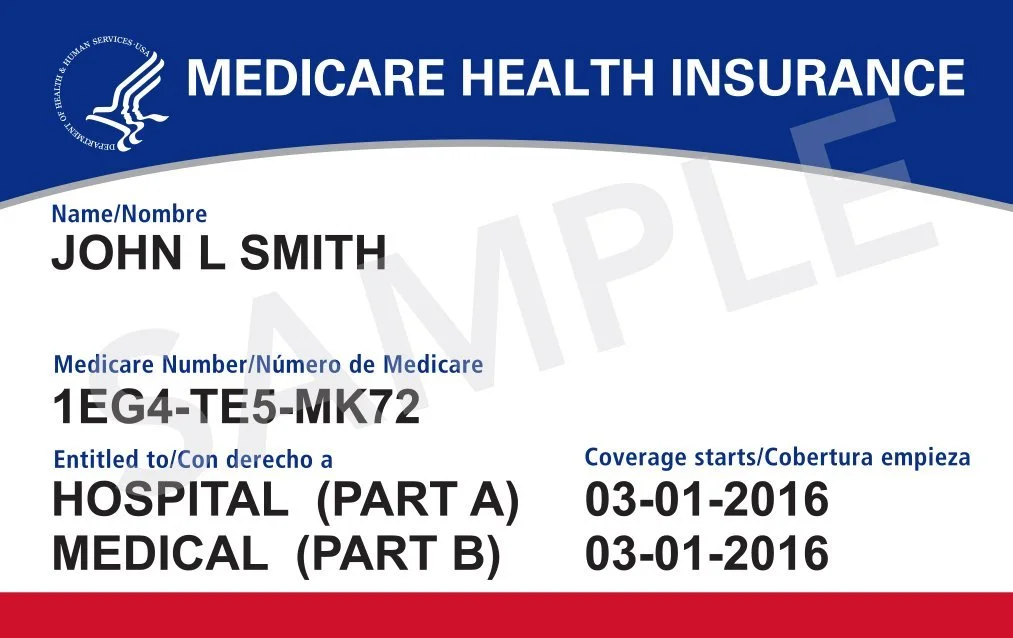
Image credits: Header photo "Signpost at crossroads" by Dr Duncan Pepper, via Wikimedia Commons, CC BY-SA 2.0. Sample Medicare card from CMS/Medicare.gov, public domain, via Wikimedia Commons. "Legal Contract & Signature - Warm Tones" by Blogtrepreneur, via Wikimedia Commons, CC BY 2.0.


