Buying a home usually brings several different protections: homeowners insurance, possibly separate flood coverage, private mortgage insurance (PMI) if you put down less than 20%, title insurance, and life insurance as one way to protect the people who share the loan. The CFPB says PMI protects the lender, not you, and the NAIC says homeowners policies generally don't cover flood.
Key facts: The CFPB says lenders must give you your Closing Disclosure three business days before closing, and that it is common to pay the first year of homeowner's insurance in advance at closing. · The NAIC says homeowners insurance generally does not cover flood losses, and earthquake damage is not usually covered; flood insurance is a separate policy, available through the National Flood Insurance Program (NFIP). · The CFPB says private mortgage insurance protects the lender, not you, and that a servicer generally must end it automatically when the balance is scheduled to reach 78% of the home's original value (as of November 20, 2026).
Let's face it: you finally get the keys, and the very next thing you get is a stack of insurance questions, like a game show where every door hides a policy. Homeowners, flood, PMI, title, life... which ones are required, which ones are optional, and which ones protect you instead of the bank?
This checklist sorts them out, using CFPB and NAIC guidance as of November 20, 2026. It is general education, not advice about what to buy.
Before Closing: The Paperwork That Tells You What You're Paying For
Your lender must give you the Closing Disclosure three business days before your scheduled closing, which is the window to find surprises instead of discovering them at the signing table.
The CFPB notes it is common to pay your first year's homeowner's insurance premium in advance at closing, and an escrow account lets you pay insurance and property taxes monthly with your mortgage payment. It also says to check whether any insurance or tax items are not in escrow, because then you'd need to budget for them separately. (Homeowners' association fees are often not included in escrow either, a fun little plot twist.)
Homeowners Insurance (The One Your Lender Cares About Deeply)
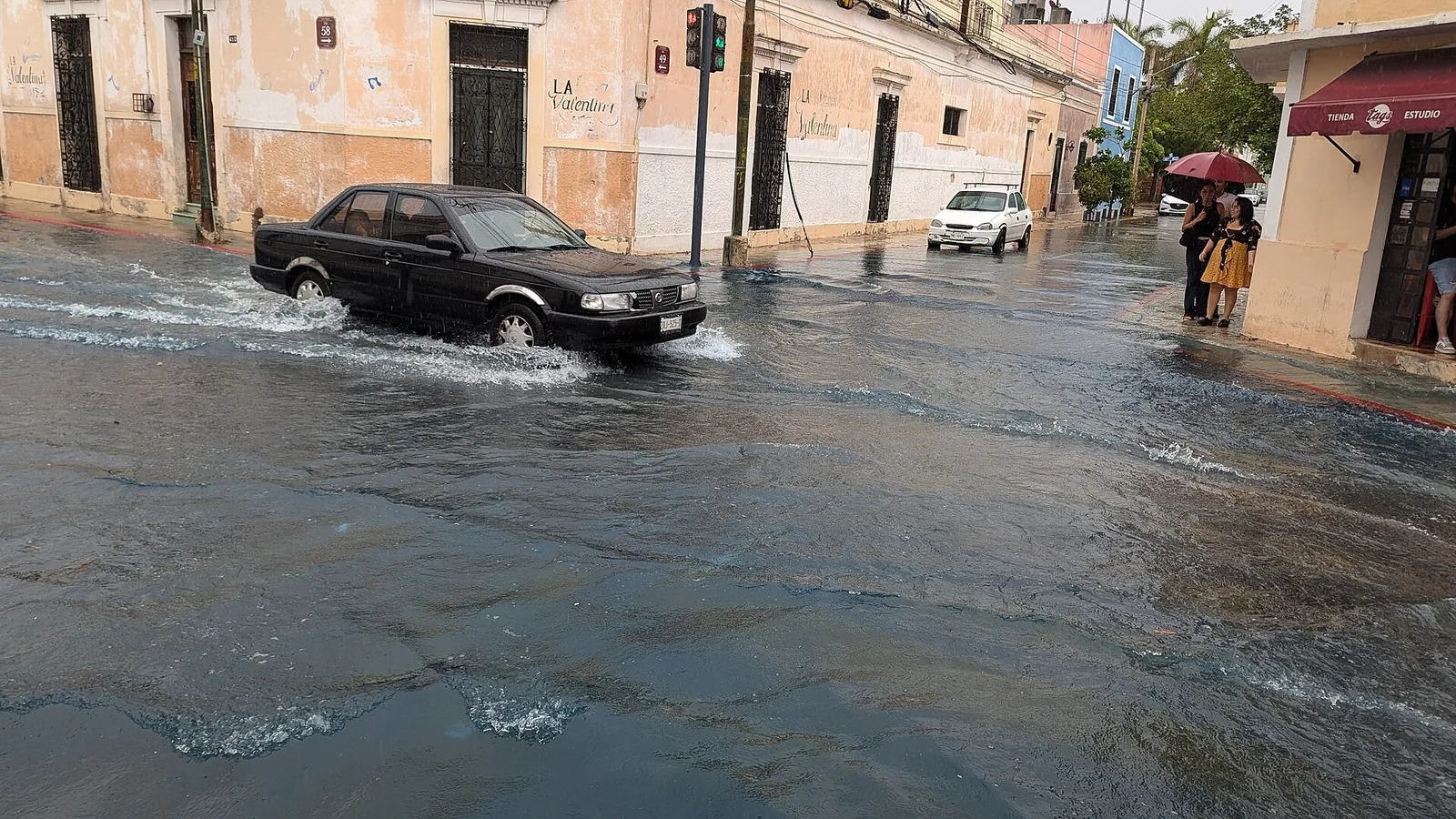
This is the policy for your house and your stuff. The NAIC says the part people miss is what it leaves out: homeowners and renters insurance generally do not offer protection against flood losses, and earthquake damage is not usually covered. Hurricane flood or storm surge damage isn't covered by a standard policy either.
Compare policies on what is covered, not just the price, and ask each company separately about quotes for things the base policy excludes.
Flood Insurance (Because Water Doesn't Read Your Policy)
Flood coverage is a separate policy through the National Flood Insurance Program (NFIP). FloodSmart.gov says many property owners, particularly those in high-risk flood areas, may be required to have flood insurance, and that flood insurance policies do not automatically renew, so put the renewal date somewhere you will see it.
Whether your address is in a high-risk area is a question for your lender and your insurance agent, not a guess.
PMI (The Insurance You Pay for That Protects Somebody Else)
If you put down less than 20% on a conventional loan, you may need private mortgage insurance. The CFPB is blunt: PMI protects the lender, not you, and you can still lose your home to foreclosure. It can also increase the cost of your loan, though the CFPB notes it can help you qualify for a loan you might not otherwise get.

The good news is it doesn't last forever. Per the CFPB, you can ask your servicer to cancel PMI when the balance is scheduled to reach 80% of the home's original value (with a good payment history, no second mortgage and proof the value hasn't fallen), and it generally must end automatically at 78%.
Title Insurance (Two Policies, One of Them Optional)
The CFPB says most lenders require their own title policy, which protects the loan amount. An owner's title policy is optional and protects your own investment if someone sues over a claim that predates your purchase, such as unpaid property taxes or contractor bills. You can usually shop for it separately, and using the same provider for both policies is usually cheaper than buying them separately.
Life Insurance (Where the Mortgage Meets the People Who Share It)
Homeowners insurance fixes the house. It does nothing for the loan if the person making the payments dies. Life insurance is one of several tools families use for that, alongside savings, other income and the rules in our guide to what happens to a mortgage when the borrower dies.
Watch for lender-offered "mortgage" coverage. The NAIC says credit life insurance pays proceeds directly to the creditor, and suggests checking what a traditional term life or disability policy would cost first, because it might be less expensive. See term life basics and how much life insurance you need to compare the options.
Your 7-Step Closing Checklist
- Read the Closing Disclosure the day you get it, not the night before.
- Confirm the first-year homeowners premium and whether taxes and insurance are in escrow.
- Ask the insurer, in writing, what the policy excludes, and get separate quotes for flood and earthquake.
- Ask your lender whether your property is in a flood zone that requires flood coverage.
- If PMI applies, ask when it can be cancelled and write down the date.
- Decide whether to buy owner's title insurance, and compare title prices.
- Check who else depends on your income, and compare term life against any lender "mortgage" product.
The Fine Print: A standard homeowners policy generally does not cover flood or earthquake damage, flood insurance is a separate NFIP policy that does not renew automatically, and the NAIC says hurricane flood or storm surge damage is not covered by a standard policy. Policy terms vary by insurer and state, so read your own exclusions.
The Bottom Line (Congratulations, You Now Own a Very Expensive Collection of Policies)
Homeowners insurance covers the house, flood is separate, PMI protects the lender, owner's title is optional, and life insurance is one way to protect the people tied to the loan. None of these is a recommendation; they are the questions to ask before closing, so the only surprise on moving day is the number of boxes.
Want to talk it through with a licensed agent? Email Operations@PowerFinancial.co.
This article is general education, not tax, legal, insurance or financial advice, and rules and prices vary by state and by insurer. Talk to a licensed professional about your situation.
Sources:
- CFPB: Closing disclosure explainer
- CFPB: What is private mortgage insurance?
- CFPB: When can I cancel PMI?
- CFPB: What is owner's title insurance?
- NAIC: My Insurance Doesn't Cover What?
- NAIC: Credit Insurance
- FloodSmart.gov (NFIP)
- FloodSmart.gov: Flood insurance cost
Frequently asked questions
Does homeowners insurance cover flood damage?
Generally no. The NAIC says homeowners and renters insurance generally do not offer protection against flood losses, and FloodSmart.gov says most homeowners insurance does not cover flood damage. Flood insurance is a separate policy, available through the National Flood Insurance Program, and FloodSmart.gov notes that many owners in high-risk flood areas may be required to have it.
Who does private mortgage insurance (PMI) protect?
The lender. The CFPB says PMI protects the lender, not you, if you stop making payments, and you can still lose your home to foreclosure. It may be required on a conventional loan with less than 20% down, and the CFPB says a servicer generally must end it when the balance is scheduled to reach 78% of the home's original value.
Do I need owner's title insurance?
It is optional. The CFPB says most lenders require their own title policy to protect the loan amount, while an owner's policy protects your own investment in the home if someone sues over a claim that predates your purchase. You can usually shop for title insurance separately, and the CFPB says using one provider for both policies is usually cheaper.
Is mortgage life insurance the same as regular life insurance?
No. The NAIC says credit life insurance pays off all or some of a loan if you die and pays the creditor directly. A traditional policy pays the beneficiary you name. The NAIC suggests checking what a traditional term life policy would cost before buying credit coverage.